Pentagon Inks AI Deals With 7 Big Tech Firms, Freezing Out Anthropic
The Defense Department signed procurement contracts with Amazon, Google, Microsoft, Nvidia, OpenAI, SpaceX, and Reflection to deploy AI in classified networks — leaving Anthropic on the outside after the company refused to allow Claude to be used for autonomous weapons and mass surveillance.
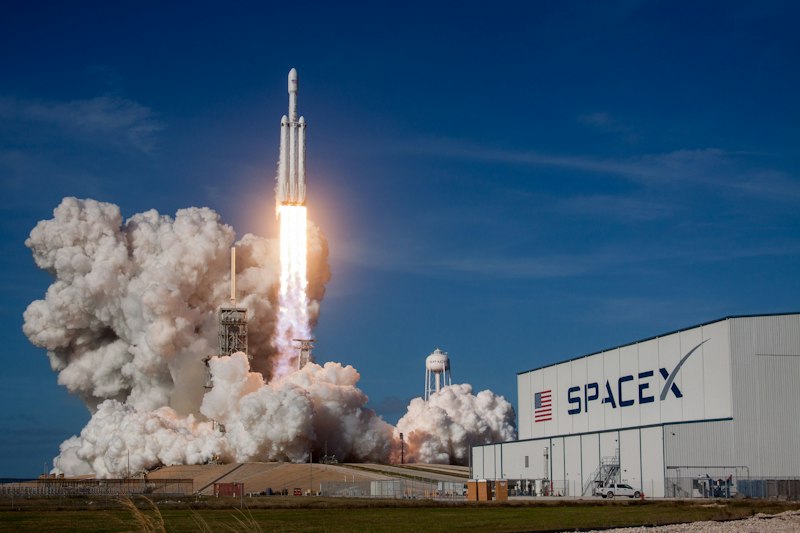
The U.S. Defense Department on May 1 announced sweeping new artificial intelligence procurement deals with seven leading technology companies, granting Amazon Web Services, Google, Microsoft, Nvidia, OpenAI, SpaceX, and Reflection AI access to deploy their models inside the Pentagon's most sensitive classified networks. Notably absent from the list is Anthropic, the maker of Claude, which the department designated a "supply chain risk to U.S. national security" in March and continues to lock out of formal contracts.
The agreements cover Impact Level 6 and Impact Level 7 environments — the tiers used for storing classified information up to the Secret level — and will be delivered through GenAI.mil, an internal Pentagon portal that more than 1.3 million Defense Department personnel have adopted since launch. Officials said the platform has already been used to build hundreds of thousands of AI agents, and the new deals are intended to ease data synthesis and streamline decision-making workflows for warfighters and analysts. Contract values were not publicly disclosed.
The exclusion of Anthropic is the latest twist in a months-long standoff between the company and the Trump administration. Defense Secretary Pete Hegseth's March designation followed Anthropic's refusal to amend its acceptable-use policy to allow the Pentagon to use Claude for "all lawful purposes" — a phrase the company believed could be read to permit autonomous weapons systems and domestic mass surveillance. Anthropic sued to challenge the supply-chain-risk label, and a federal judge in California temporarily blocked the government's effort earlier this year.
The picture on the ground is more complicated than the headline suggests. According to Defense officials cited in the announcement, the Pentagon and other federal agencies are still quietly testing Anthropic's Claude Mythos Preview model despite the ban, an acknowledgment that excluding the frontier lab from formal procurement does not mean cutting off its technology entirely. White House officials have also reopened back-channel talks with the company in recent weeks following several Anthropic technology breakthroughs.
The deals also formalize Reflection AI as a defense contractor for the first time. Founded in 2024 by former Google DeepMind researchers, Reflection has raised roughly $2 billion but has yet to ship a commercial product, making its inclusion a notable bet on early-stage frontier labs. SpaceX's place on the list reflects its merger with xAI Holdings, which gave it ownership of the Grok model family and reportedly puts it in line to acquire Cursor's coding models. Together, the seven contracts mark the most aggressive consolidation yet of the U.S. military's AI supply chain — and a clear signal that, for now, Anthropic remains the odd one out.
Want AI news before everyone else?
The morning's most important AI stories, straight to your inbox. No fluff.