SpaceX Acquires xAI in History's Largest Merger at $1.25 Trillion
Elon Musk merged SpaceX and xAI in February 2026, creating a $1.25-trillion combined entity with plans to build orbital data centers powered by Starlink satellite infrastructure — the largest acquisition in corporate history.
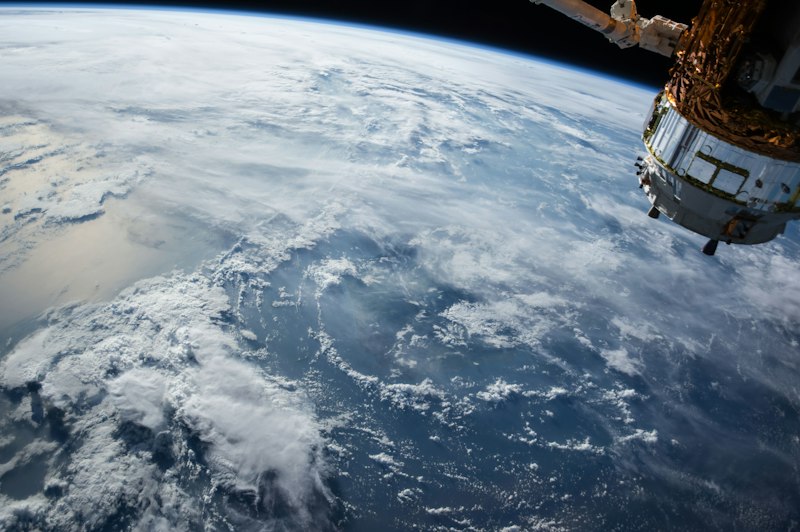
Elon Musk completed the largest corporate merger in history on February 2, 2026, combining SpaceX and xAI into a single $1.25-trillion entity. The all-stock deal structures xAI as a wholly owned subsidiary of SpaceX, folding Musk's AI lab — which had already acquired X, the social media platform — into a company whose primary business has been launching satellites to orbit. The move comes ahead of a widely anticipated SpaceX IPO, with sources reporting a target valuation as high as $1.75 trillion at listing.
Musk's stated rationale centers on an infrastructure problem he argues is existential for the AI industry: the energy and cooling requirements of terrestrial data centers are growing faster than the electrical grid can accommodate. His proposed solution is to move compute into orbit. "Current advances in AI are dependent on large terrestrial data centers, which require immense amounts of power and cooling," Musk wrote in a statement published on SpaceX's website. "Global electricity demand for AI simply cannot be met with terrestrial solutions, even in the near term, without imposing hardship on communities and the environment." Space-based data centers, in his framing, would draw solar power continuously and radiate heat directly into the thermal sink of deep space.
The deal has a self-reinforcing logic for SpaceX's core business. Building and maintaining orbital data center infrastructure would require a continuous stream of satellite launches — each constellation needing replacement roughly every five years per FCC orbital debris regulations. That demand would flow directly to SpaceX's launch manifest, ensuring steady revenue independent of Starlink subscriber growth. Prior to the acquisition, both Tesla and SpaceX had each invested $2 billion in xAI, giving Musk effective control of all three companies and making the formal merger largely a structural consolidation of assets he already controlled.
The deal has also drawn scrutiny. xAI's Grok chatbot became a source of controversy after its content restrictions were loosened ahead of the merger to increase competitive pressure on rivals, a move that led to documented cases of the system generating non-consensual intimate imagery. The company's burn rate of approximately $1 billion per month means the combined entity will need to demonstrate a path to profitability — or a credible IPO — relatively quickly. Key xAI co-founders departed following the merger announcement, and Musk publicly announced a reorganization of the AI division in the weeks that followed.
Regardless of the operational details, the merger marks a threshold moment in the AI industry's relationship with physical infrastructure. If space-based computing becomes technically and economically viable, SpaceX-xAI would have a multi-year head start on every competitor. If it does not, the merger will be remembered as the largest bet ever placed on a hypothesis that failed to clear the engineering bar. Either way, the $1.25-trillion price tag ensures that the outcome matters to the broader economy.
Want AI news before everyone else?
The morning's most important AI stories, straight to your inbox. No fluff.