District 9's Neill Blomkamp Releases Nightborne — a 13-Minute Film Made Entirely With ByteDance's Seedance 2.0
Neill Blomkamp released Nightborne, a 13-minute sci-fi horror short generated entirely with ByteDance's Seedance 2.0 and directed through text prompts. It uses the licensed faces and voices of 32 real people, launches his new AI studio Barley Studios — and the reception has been brutal.
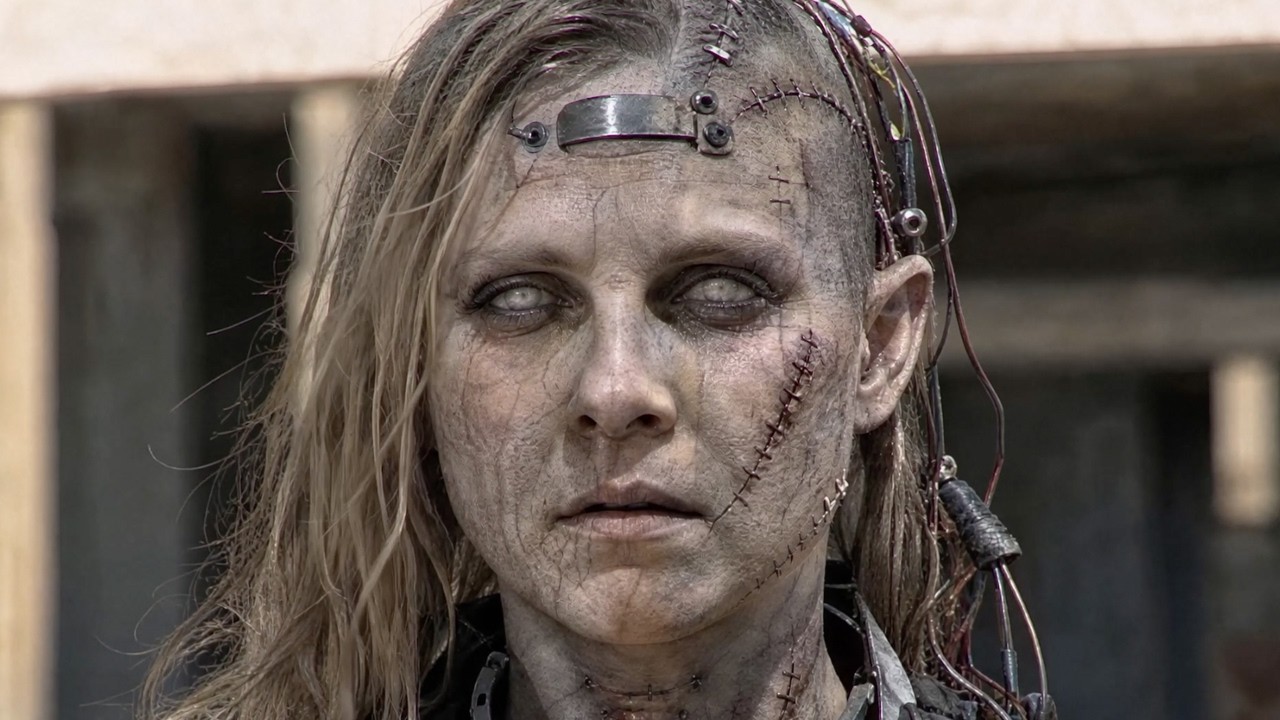
Neill Blomkamp — the director of District 9, Elysium, and Chappie — has released Nightborne, a 13-minute sci-fi horror short he made entirely with generative AI. Posted to YouTube on July 19, the film was built shot by shot with ByteDance's Seedance 2.0 video model, with Blomkamp "directing" through text prompts rather than a camera. He calls it a full test of the workflow — and the first project from a brand-new AI studio, Barley Studios — and says his next step is a feature-length film made the same way. Watch the full short below.
The making-of is the story. Nightborne is presented as a documentary-style piece about a US Army pilot declared dead after being shot down, with evidence that she was pulled into a classified program that resurrects fallen soldiers for combat — set in the universe of Peter Watts' novel Echopraxia and escalating into exactly the body horror Blomkamp built a career on. Crucially, it isn't "pure" prompt output: human concept artists designed the look, and the film uses the faces and voices of 32 real people under licensing agreements, with Blomkamp assembling the final cut frame by frame. It's a hybrid — AI generation steered hard by traditional craft.
The bigger announcement is structural. Blomkamp launched Barley Studios as his AI-first film company — a deliberate parallel to Oats Studios, the outfit he used for his live-action shorts and VFX experiments. In other words, he's treating AI filmmaking not as a gimmick but as a permanent second pipeline, and he's said on X that a full-length AI-generated feature is the goal. For a name director with real theatrical credits to plant that flag is a milestone the medium hasn't had before.
The reception, though, has been rough. Outlets from Kotaku to Gizmodo panned Nightborne hard — calling the results uncanny, weightless, and soulless, and reviving the now-familiar argument that AI video still can't hold a character, a performance, or continuity the way a camera and an actor can. Supporters counter that it's an explicit "test," that a single director produced 13 minutes of finished sci-fi in a fraction of the usual time and budget, and that the tech is improving monthly. Both things can be true: the craft gap is real, and so is the collapse in cost and time.
Either way, the symbolism is hard to miss. The frontier of AI video has mostly belonged to labs and startups — OpenAI's Sora, Runway, Google DeepMind's stake in A24 — but Nightborne is a recognized filmmaker choosing a Chinese model, Seedance 2.0, to make an actual movie and betting his next feature on it. Whether or not the short works as cinema, it's a marker: the argument about AI filmmaking has moved from "can it be done" to "a real director just did it, and he's not stopping."
Want AI news before everyone else?
The morning's most important AI stories, straight to your inbox. No fluff.