Heidi Raises $340M, Doubling Its Value to $900M
The Melbourne ambient-scribe company took $100M in a Blackbird-led Series C plus $240M of growth capital from General Catalyst, on the back of a 62% enterprise activation rate and a sole-supplier win at NHS England Midlands.
Heidi, the Melbourne company whose AI listens to a consultation and writes the note, has raised $340 million across two instruments: a $100 million Series C led by Blackbird, and $240 million of growth investment from General Catalyst. Bloomberg reports the round values the company at $900 million.
That is close to double the $465 million Heidi carried out of its $65 million Series B, which closed in October 2025 and brought the company's lifetime funding to roughly $100 million. Eleven months later it has raised more than three times that total in a single announcement. Phoenix Court, Point72 Private Investments and Headline — all existing backers — came along for the Series C.
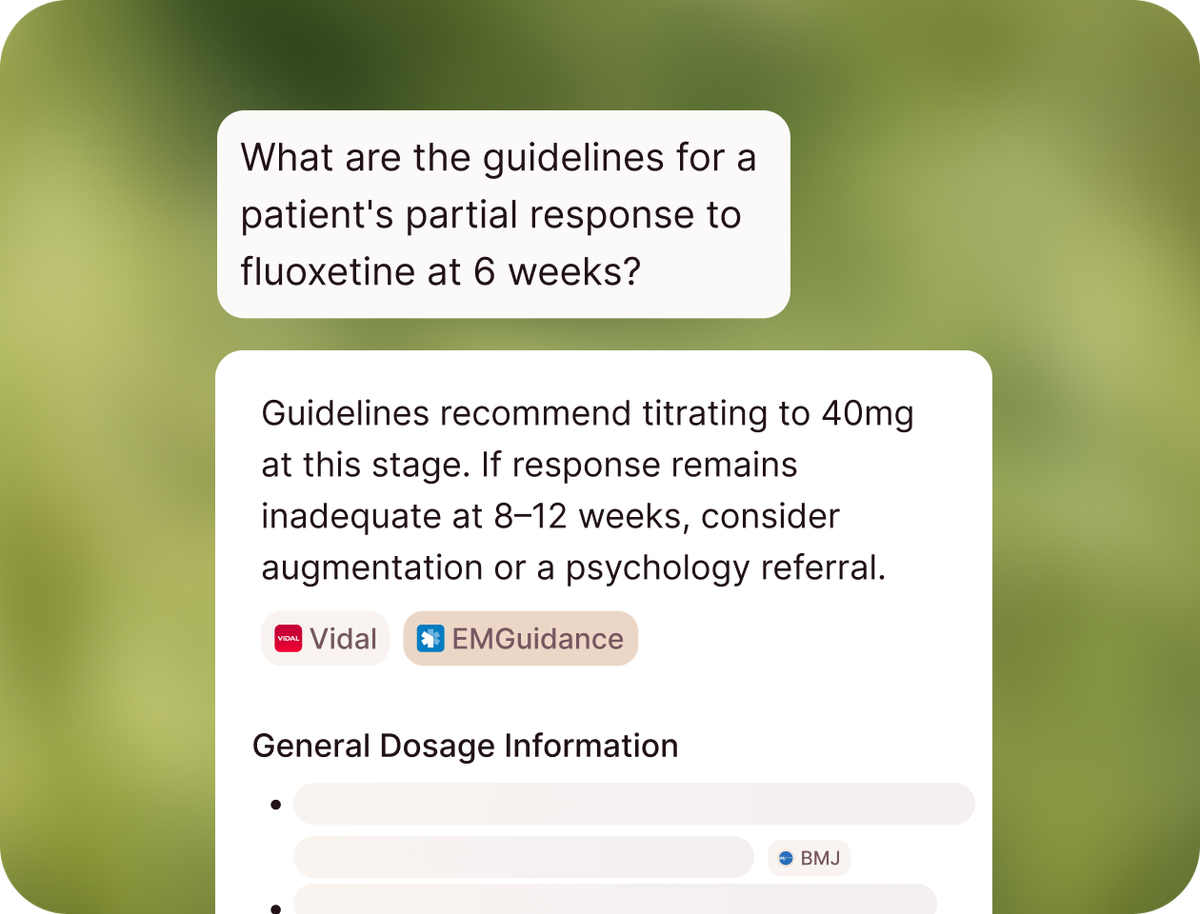
Heidi calls the product an AI Care Partner, which is a deliberate widening of the ambient-scribe category it started in. Scribe still does the original job: listen to the visit, take the history, update the record, handle a multilingual consultation, suggest the coding. Around it now sit Dictate for voice-to-text, Remote for secure wearable capture in clinical settings, and Evidence — a research assistant that pulls in the active patient's details, uploaded labs and the live transcript to answer a clinical question with in-line citations. Heidi says Evidence has answered more than 10 million queries since it launched in March.
The commercial case sits on two numbers. Heidi reports a 62% enterprise activation rate across the major US health systems it has sold into — the share of licensed clinicians who actually use the thing, and the metric that has quietly killed a lot of hospital software. And it was named sole supplier to NHS England Midlands, which the company describes as the largest clinical AI procurement in NHS history. Beth Israel Lahey Health in Massachusetts is also on the platform.
Co-founder and chief executive Dr Thomas Kelly has described the goal as AI that "would sit alongside clinicians and complete real work under their supervision" — a formulation that concedes the supervision point rather than arguing around it, which is roughly where the regulatory wind is blowing. The addressable appetite is not in doubt: American Medical Association survey data for 2026 has 81% of US physicians using some form of augmented AI, more than double the 2023 rate.
The crowd is the problem. Abridge, Ambience, Nuance's DAX and a dozen smaller entrants are selling into the same procurement committees with the same pitch, and documentation time saved is a benefit that is easy to demonstrate and hard to defend. Heidi's answer is to keep adding surfaces — evidence retrieval, wearables, coding — until the scribe is the entry point rather than the product. $340 million buys a lot of runway to find out whether that holds.
Want AI news before everyone else?
The morning's most important AI stories, straight to your inbox. No fluff.