Drone Maker Tekever Hits $6.4B With a $580M Round
The Portuguese-British maker of AI-powered surveillance drones nearly quintupled its valuation in a year. UC Investments and Baillie Gifford led the Series D, shortly after the British Army picked Tekever for a £400 million programme.
Tekever, the Portuguese-British maker of AI-powered surveillance drones, has closed the first $580 million of a Series D round that values it at $6.4 billion, Tech.eu reports. The round was led by UC Investments, the University of California’s investment arm, and Baillie Gifford. Merlyn Advisors joined as a new investor alongside existing backers Crescent Cove, Ventura Capital and Iberis Capital, and Tekever expects further closings over the coming months to bring in strategic investors.
The valuation is nearly five times the roughly $1.3 billion Tekever was worth about a year ago, according to Tech Funding News. It is also UC Investments’ first direct investment in a European company. The fund’s chief investment officer said Tekever "has built an exceptional technology platform over more than two decades with a proven record of operational success." Baillie Gifford has said the company is already profitable, which is not something many defence-tech startups at this size can claim.
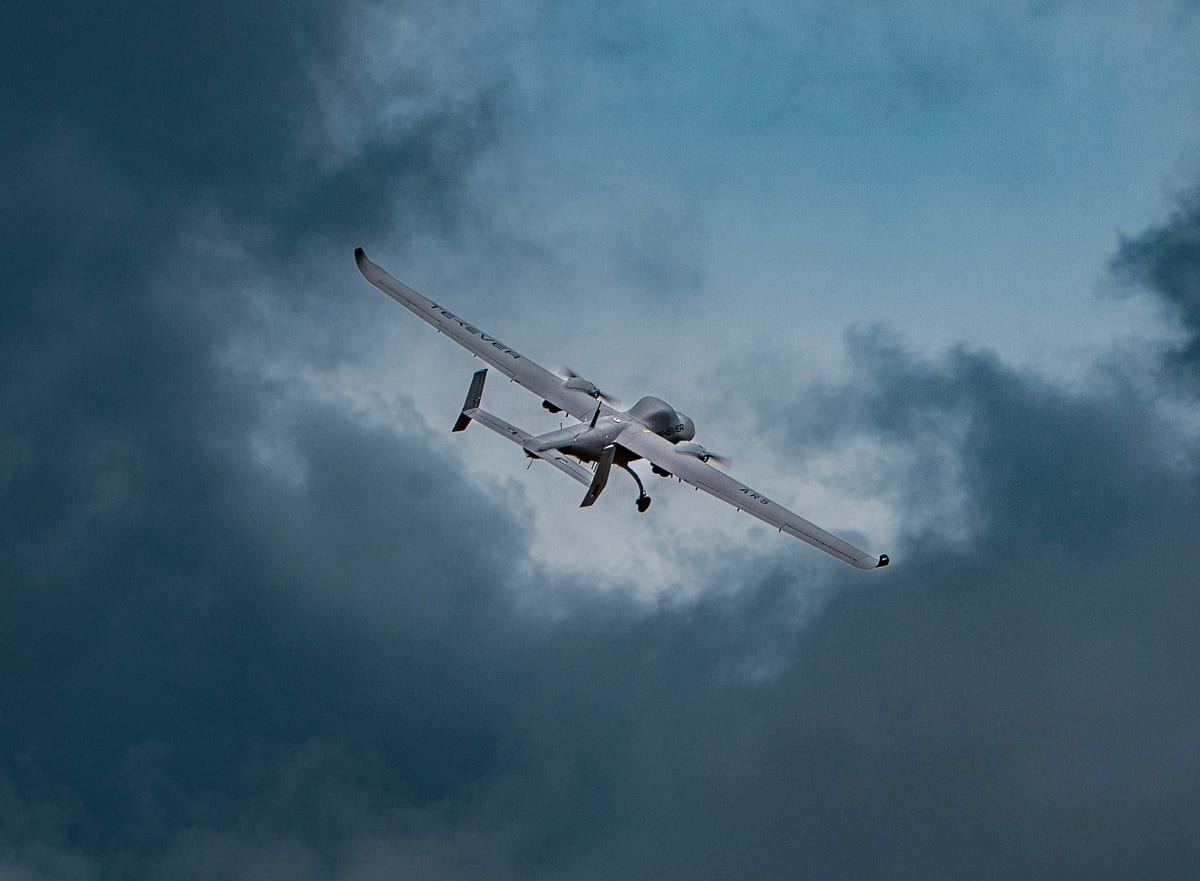
Tekever was founded in Lisbon in 2001 and builds AI-powered unmanned aircraft designed to fly long surveillance missions with a high degree of autonomy. The range runs from the smaller, modular AR3 and AR4 up to the AR5, and the company also sells the intelligence those aircraft gather as a subscription service. Its customers use them for military reconnaissance, maritime patrol, border security, search and rescue, and monitoring illegal activity. The company now employs about 900 people, up 40% in a year.
The round follows a large win at home in Britain. The UK Ministry of Defence has picked Tekever to deliver CORVUS, the British Army’s new surveillance capability, under a programme worth up to £400 million over ten years. Built on the AR5, CORVUS will replace the Army’s ageing Watchkeeper drones. Tekever says it will spend the new money on expanding its global footprint, adding industrial and technological capacity, and on acquisitions. "This investment represents far more than a capital raise," said founder and chief executive Ricardo Mendes.
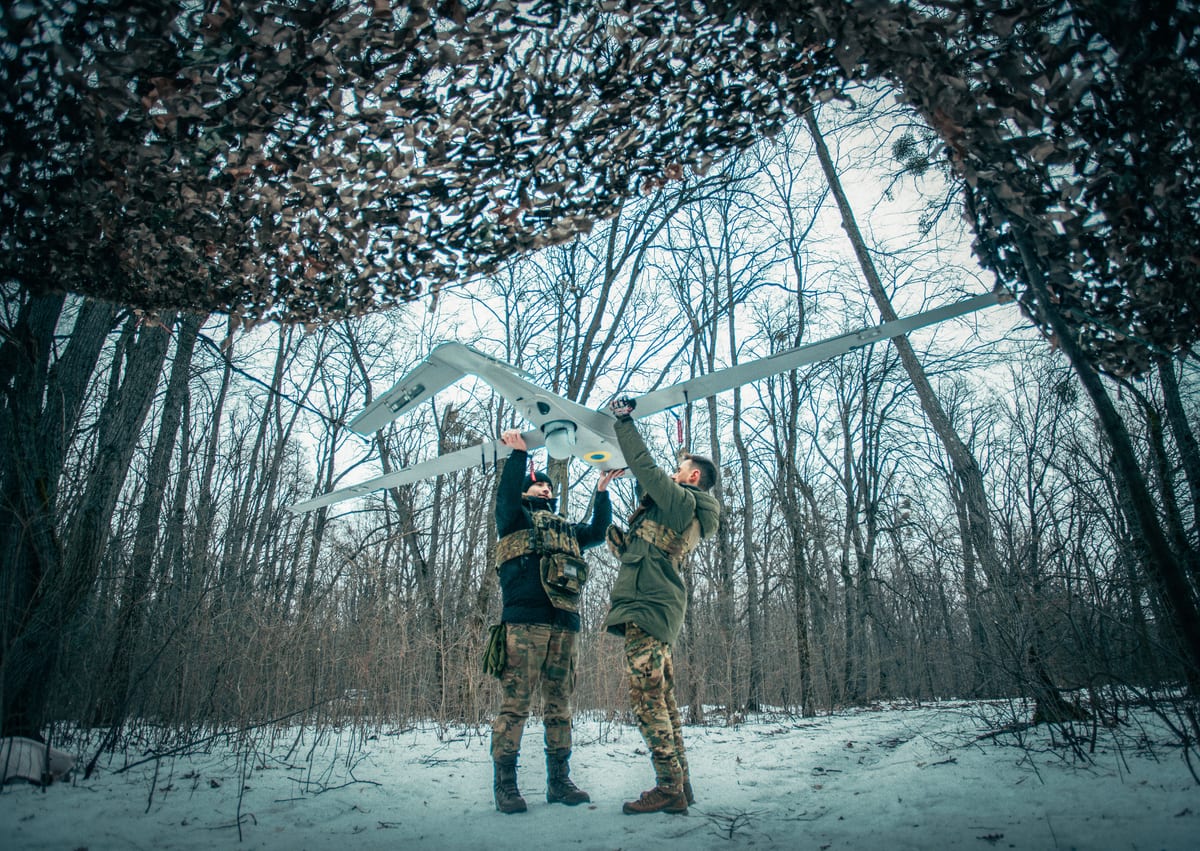
The deal lands in a market where investors now treat autonomous defence hardware as one of the surest bets in AI. In the US, Anduril reached $61 billion earlier this year, and European governments are raising defence budgets and looking for suppliers closer to home. Tekever is one of the few European players that already has a profitable product line and a flagship military contract, rather than a prototype and a pitch deck. That, more than the drones themselves, is what $580 million bought.
Want AI news before everyone else?
The morning's most important AI stories, straight to your inbox. No fluff.