Businesses in ChatGPT: OpenAI Opens Profiles and Agents
Businesses in ChatGPT, a new OpenAI beta, lets companies claim a verified profile, update their details, prices and stock, and see how often ChatGPT mentions them. Eligible US online shops and service firms can also launch a Business Agent that answers shoppers’ questions inside ChatGPT, and the same agent can be bought as the landing spot for a ChatGPT ad. It looks a lot like Google’s business profiles, rebuilt for a chatbot that OpenAI says reaches 1.2 billion people a week.
OpenAI wants companies to manage how they appear inside ChatGPT. The company has launched Businesses in ChatGPT, a beta built around a new Business Hub where a company can claim its profile, get it verified and keep the information about its products and services up to date. As TechCrunch put it, the feature greatly resembles the business profiles that Google and other search engines have offered for years. According to The Next Web, it is aimed at the 1.2 billion people OpenAI says use ChatGPT every week.
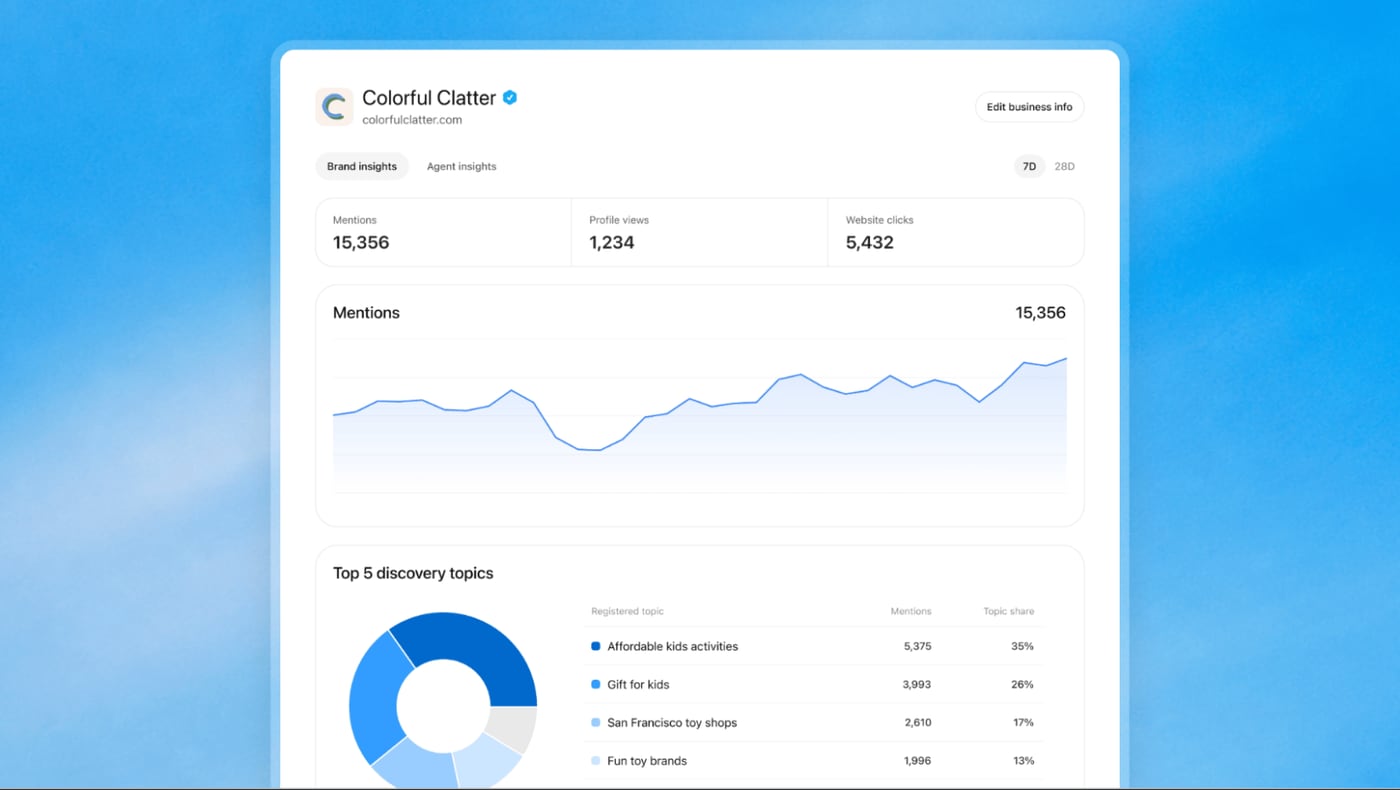
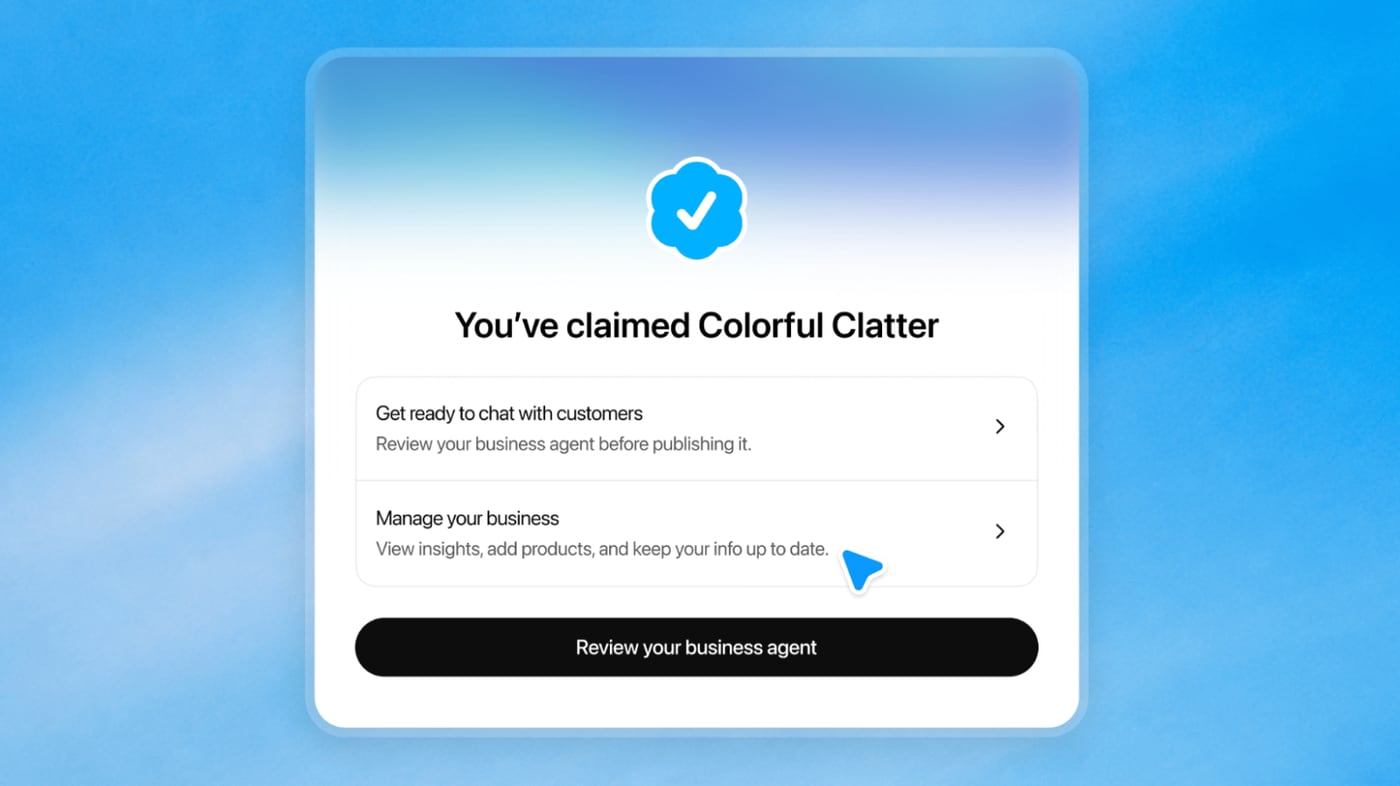
A verified profile carries a blue check. Through the hub, a company can update its details, prices and stock, and see a limited set of insights: how often ChatGPT mentions it, how many people view its profile, how many click through to its website, and the common topics in those conversations. The data is aggregated, and OpenAI says it does not share users’ chats with businesses. Verification goes through a formal process that OpenAI did not detail. Benji Shomair, OpenAI’s vice president of monetization, told reporters at a briefing on Monday, November 9, that the company uses “multiple verification methods” for different types of business in different markets.
The second half of the launch is the Business Agent. Eligible US e-commerce and online-service companies can set up an agent that answers questions about the business and its products, using the product details the company supplies. When a business shows up in a ChatGPT answer, a user can open its profile and start a chat with the agent, which is labelled and kept separate from ChatGPT’s own replies. According to The Next Web, the rules require the agents to say they are AI, keep prices accurate and avoid pressure tactics, and any purchase or sharing of personal data needs the user’s explicit approval. For now, a buyer who wants to check out is sent to the brand’s own website; OpenAI is working on agent payments with Visa.
The agent also doubles as an ad product. Businesses can sponsor their agent as the destination for a ChatGPT ad, building on the Sponsored Agents format OpenAI began testing in September. The Next Web, citing Digiday, reports that OpenAI says paying does not change how often ChatGPT recommends a business. OpenAI gave no pricing for the hub or the agents, and no date for leaving beta. The ads business behind it has grown quickly since the self-serve Ads Manager opened to US businesses in May.
The launch also marks a change of tack. TechCrunch notes that OpenAI retired its commission-based checkout effort in March, and OpenAI separately runs a merchant programme for retailers to share product feeds. In a statement quoted by TechCrunch, OpenAI said ChatGPT has become “the platform for people and businesses to connect through AI.” The Next Web points out who stands to lose: startups such as Peec AI, which sell brands estimates of how visible they are in ChatGPT, now compete with numbers OpenAI hands out itself.
For a shop owner the practical question is a familiar one, last asked when Google Maps listings became the front door for local business. The difference is that a search engine sends people to a website, while ChatGPT increasingly answers for the business, and OpenAI now has a hub where businesses can try to manage that answer.
More on ChatGPT
Evergreen coverage we keep current — start here.
Want AI news before everyone else?
The morning's most important AI stories, straight to your inbox. No fluff.